What Is the Least Adopted Dog?

Written by Krista Watson
Updated Jan 31, 2026

Least Adopted Dog Breeds
The next time you see a commercial for dog food or a television series featuring a pet dog, note the dog’s appearance and breed. The dog is almost always a popular breed, like a Golden Retriever, or a dog with a “perfect” appearance, including long, shiny fur. Seeing the most commonly adopted breeds like German Shepherds, Bulldogs, and Labrador Retrievers in the media can lead one to think these ones always make the best pets. But, as we all know, media doesn’t always reflect reality!
What Is the Least Adopted Dog?
Many animal welfare experts consider black dogs, senior dogs, large mixed breeds, and stigmatized breeds among the least adopted dog breeds due to bias, lifestyle mismatch, and misconceptions. The least adopted dog breeds, such as Beagles and Plott Hounds, and other overlooked dogs can be the best pets for some families. Some of these dogs may not be as fluffy or purebred as the ones you see on the screen, but does that mean you shouldn’t adopt them?
Absolutely not! In fact, some of the best pets in the world have neither a pedigree nor high-maintenance coat. Fantastic dogs come in all shapes, sizes, and colors. So what causes some types of dogs to be adopted less frequently than others? What is the least adopted dog? Should you consider adopting one of these misunderstood least adopted dog breeds?
Why Are Some Dogs the Least Adopted?
There are many reasons a person might not immediately be drawn to a certain dog. Some reasons include:
First impressions: Not all dogs are outgoing, especially when they’re in an animal shelter surrounded by dozens of other canines. Scared or naturally timid dogs will be less enthusiastic about interacting with humans for the first time. It may take several interactions before they warm up to new people and animals.
Breed stigma: Some breeds, like Pit Bulls and Chow Chows, have a reputation for being difficult dogs. While no two dogs are exactly alike, many people won’t even consider adopting a dog based on what they've heard about them.
Puppy preference: Many pet owners want to adopt adorable, squirming puppies. Even though these younger dogs need a lot of attention, they often catch the attention of families with small children who are looking for a dog to grow up with their kids. This means older dogs are less likely to be adopted. In fact, studies have shown senior dogs have only a 25% chance of being adopted from a shelter, while younger ones have a 60% chance.
What Color Dog Is Least Likely to Be Adopted?
You might be surprised to learn that some people base their adoption choices solely on the color of a dog’s coat. This might be simply because they’re drawn to a certain shade or a dog’s appearance reminds them of a dog from their past. What color dog breed is least likely to be adopted? Sadly, something called “Black Dog Syndrome” causes black dogs to be adopted less often. This syndrome is caused by a number of false beliefs, including the idea that black dogs are more aggressive or even simply unlucky. Many black dogs are actually calm, great with families, and less likely to show visible dirt or shedding.
The Least Adopted Dog Breeds and Types
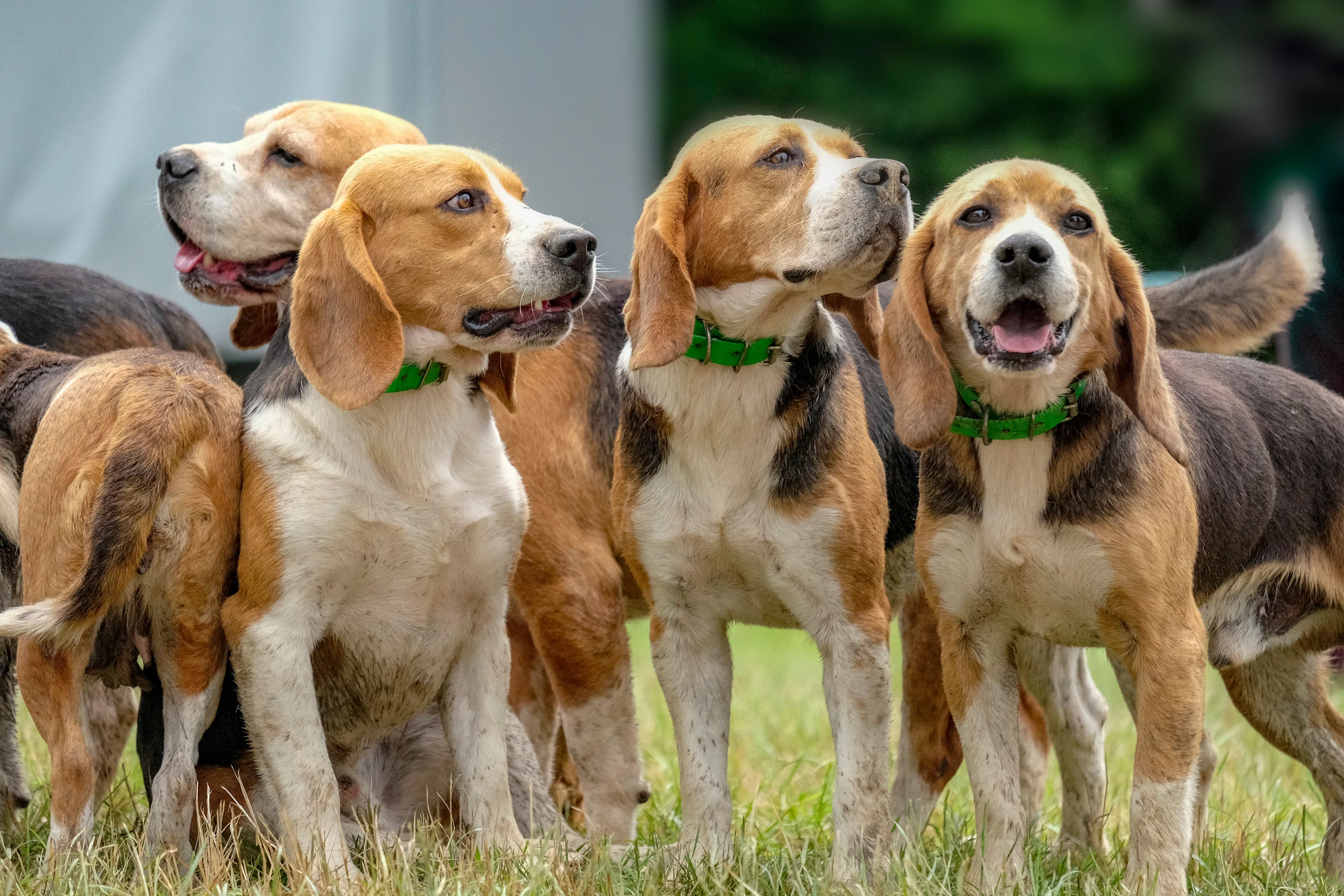
Unfortunately, it’s not just a dog’s coat color that can make them less likely to be at the top of the adoption list. The breed and type of dog can deter pet owners. Mixed breed dogs can also go unnoticed because people aren’t sure of the animal’s history or genetic traits. Even some purebred breeds are adopted less often than others. While small dogs like Chihuahuas are often appropriate for first-time dog owners, other breeds aren’t considered so desirable. Examples of these breeds include:
Beagles: Charlie Brown’s canine companion might be a Beagle, but these dogs are no Snoopy in real life. While they can make lovely pets for the right people, they are notoriously difficult to train and have a lot of energy. Owners need to be ready to invest in professional training if necessary and must be willing to spend plenty of time going on walks.
Redbone Coonhounds: These gorgeous dogs would certainly be more popular if it weren’t for one thing: their howl. Although it can be adorable when your own Redbone Coonhound howls from excitement over a new toy, neighbors will be much less pleased. Apartment dwellers aren’t likely to adopt this breed due to the possibility of noise complaints, but homeowners who live in rural areas will have better luck.
Black and Tan Coonhounds: Related to Redbone Coonhounds, these sweet dogs have a similarly loud howl that can deter pet owners from adopting them. They can also be quite stubborn, thus making the breed more intimidating for first-time dog owners.
Plott Hounds: These regal-looking dogs were bred to hunt, and those instincts are at the forefront of their mind most of the time. People who have cats and other small pets in the home aren’t likely to bring a Plott Hound into the mix, as this particular dog breed has a high prey drive.
The Least Adopted Dogs
People may also be hesitant to adopt a dog that requires specialized care. For example, a pet owner may be unfamiliar with how to train a blind or deaf dog, or they may worry about the time, cost, and commitment involved in meeting those needs. Dogs with medical conditions, mobility challenges, or past trauma are often overlooked as well, despite being just as capable of forming deep bonds with their families. In reality, many special-needs dogs adapt remarkably well with patience, consistency, and veterinary guidance. With the right support system in place, these dogs can thrive and offer an extraordinary level of loyalty and companionship.
What Dogs Are Least Likely to Be Adopted?
Dog Type | Why They’re Often Overlooked | The Reality |
Black dogs | Color bias and shelter visibility | Often gentle, affectionate, and great family pets |
Senior dogs | Concerns about age or vet costs | Usually calm, housetrained, and low maintenance |
Large mixed breeds | Size and uncertainty about traits | Adaptable, resilient, and loyal companions |
Hound breeds | Vocal nature and energy needs | Thrive with exercise, structure, and training |
Bully breeds | Breed stigma and housing limits | Behavior depends more on training than breed |
Special-needs dogs | Fear of medical or care challenges | Many thrive with routine and veterinary support |
Why Overlooked Dogs Often Make the Best Pets
All dogs deserve a chance to live in a loving, welcoming home. Giving a less popular dog breed a chance can bring about surprising results. For example, that shy pup hiding at the back of the kennel may warm up immediately once they’re in a quiet home. When they’re away from the loud, chaotic environment of an animal shelter, many dogs feel comfortable enough to start playing and showing their true nature.
Adopting an older dog rather than a puppy can save a lot of time and money when it comes to behavioral training and supplies. Older dogs are also much more likely to be housetrained, which can be a relief for pet owners who don’t want to be cleaning up messes constantly.
Dogs with special needs can develop strong bonds with their humans. You can help them explore the world and learn to communicate with them in the way they need. For example, a dog that can’t hear can be trained with hand signals. Investing in these dogs’ needs can be hugely rewarding.
How to Choose the Right Dog Beyond First Impressions
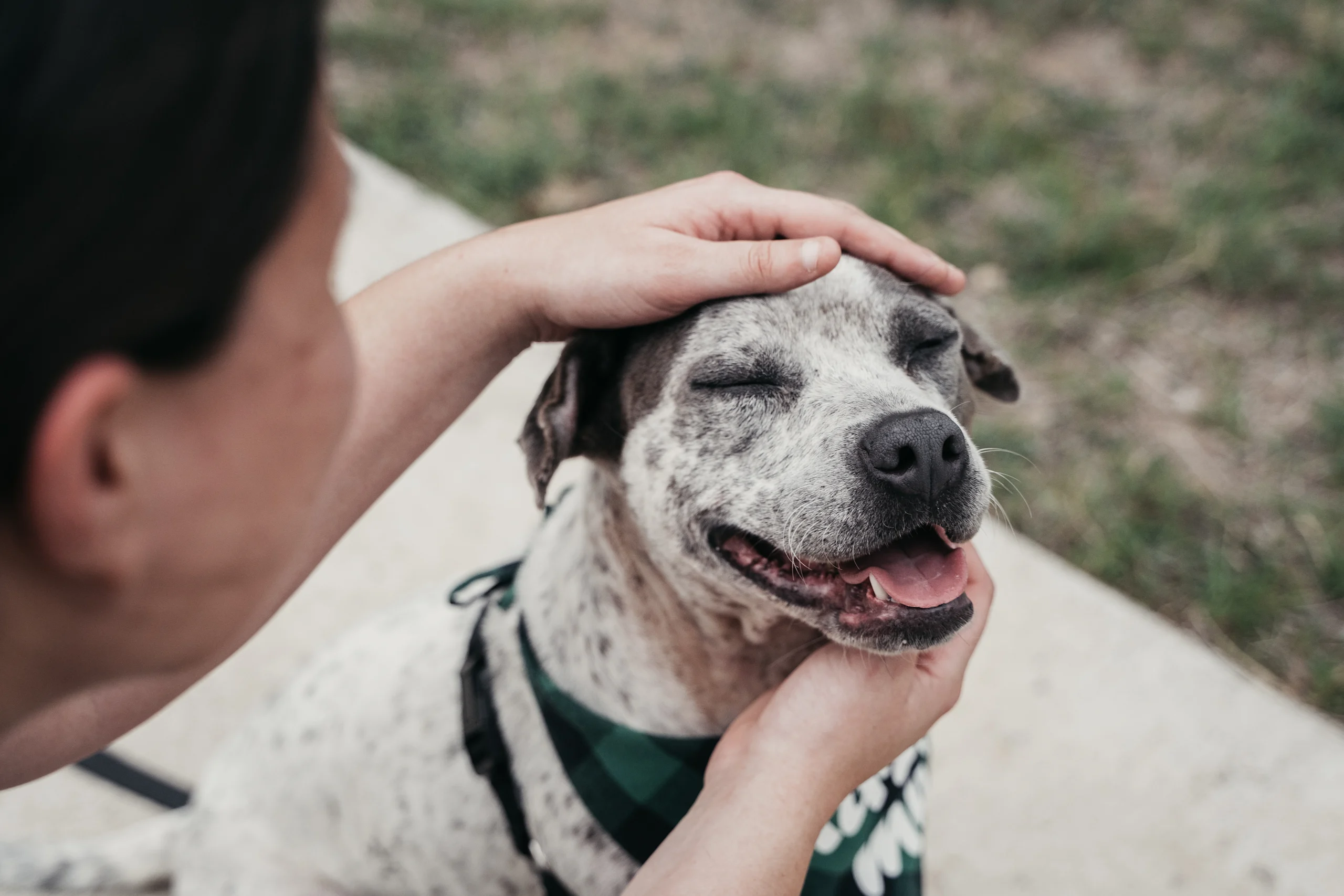
With so many dogs looking for homes, how can you possibly know you've found the right dog? Don't be afraid to ask shelter staff for as much information as possible about a dog before committing. Some questions that can help you get to know a dog include:
Is the dog good with children or other animals?
Does the dog seem especially active or more sedentary?
Is the dog housetrained?
Does the dog seem to bond with a certain type of person (for example, do they gravitate toward the male staff members more than the female ones?)
Keep in mind that shelter employees may not have much information about a dog, especially if the dog was a stray. You may consider fostering a dog to get an idea of their temperament. Many people find these foster dogs become “failed” foster dogs; in other words, they become permanent members of the household!
Preparing for Your New Companion
Signing your pup’s adoption papers is only the beginning! Your journey to canine parenthood involves a whole lot more. Before scheduling vaccinations, wellness exams, or follow-up care, it’s wise to make sure your dog is protected with reliable dog insurance. Embrace offers competitive policies and dog wellness plans to make paying for vet fees easier than ever.
It can be tempting to put off purchasing insurance. Don't. The sooner your new furry friend is covered, the better. Early coverage can help avoid preexisting conditions and get your dog the care they need as soon as possible.
In addition to insurance coverage, adding an optional dog wellness plan can make it easier to budget for routine care. Wellness plans can help handle everyday essentials like vaccinations, spaying or neutering, flea and tick prevention, and heartworm medication, all expenses that add up quickly in the first year. It can even help offset grooming costs, so if you’re hoping your newly adopted pup eventually looks more like one of those polished TV dogs than a scruffy shelter dog, a wellness plan can help support that glow-up.
Consider All Options for Dog Adoption
What is the least adopted dog? There’s no one answer, but in general, louder and more stubborn breeds are less likely to be adopted, as are senior dogs. Misconceptions about certain dog colors, breed stereotypes, and a tentative first meeting can be reasons dogs are overlooked. However, pet owners who do their research to find compatible dogs won’t regret their choice, even if the type of dog they adopt isn’t the most popular breed of the year. After all, every dog is special in their own way!
FAQs
Black dogs, senior dogs, large mixed breeds, and stigmatized breeds are considered among the least adopted due to bias, lifestyle mismatch, and misconceptions.
Written by
Krista Watson is a freelance writer and editor from North Carolina. She earned her bachelor's degree in International Studies at UNC-CH. She is the proud mother of a dog (Queso) and two cats (Ozzy and Gizmo). When she's not writing, she can be found taking walks at the local park with her dog or reading with her cats.

Let’s get your pet covered
Call or click to get a quote