Gabapentin for Cats: Dosage, Side Effects & What to Expect
Written by Chyrle Bonk DVM
Updated May 5, 2026
Gabapentin Uses for Cats
Cats have fewer medication options than dogs, but gabapentin is a versatile drug that can treat pain, seizures, and anxiety in cats. If you're considering it for your cat, this article covers how gabapentin works, its side effects, and dosage guidelines.
What is Gabapentin and What Does it Do for Cats?
According to a study published in the Journal of Veterinary Internal Medicine, gabapentin is the most prescribed medication for chronic musculoskeletal pain management in cats. In addition to its main use, gabapentin can help ease situational anxiety, like trips to the veterinarian or traveling, and can also be used alongside other drugs to control seizures.
How Gabapentin for Cats Works
Gabapentin works by depressing the central nervous system by inhibiting excitatory and pain neurotransmitters. This means it blocks the messengers that ramp up the nervous system during anxious moments and interrupts the pain pathways involved in nerve and musculoskeletal conditions. It helps decrease the pain a cat feels with these chronic conditions and keeps the nervous system under wraps.
Inhibiting excitatory neurotransmitters is also how it helps decrease seizures, especially when used in conjunction with other medications, such as phenobarbital or potassium bromide.
Alternatives to Gabapentin in Cats
According to a 2025 study published in Animals, a medication called pregabalin shares similar effects to gabapentin in decreasing both pain and anxiety.
Besides pregabalin, veterinarians may use non-steroidal anti-inflammatories to help manage pain and anxiolytics like fluoxetine (Prozac) or alprazolam for anxiety.
Gabapentin does have some advantages in its versatility, safety, and effectiveness depending on the individual situation.
How is Gabapentin Given?
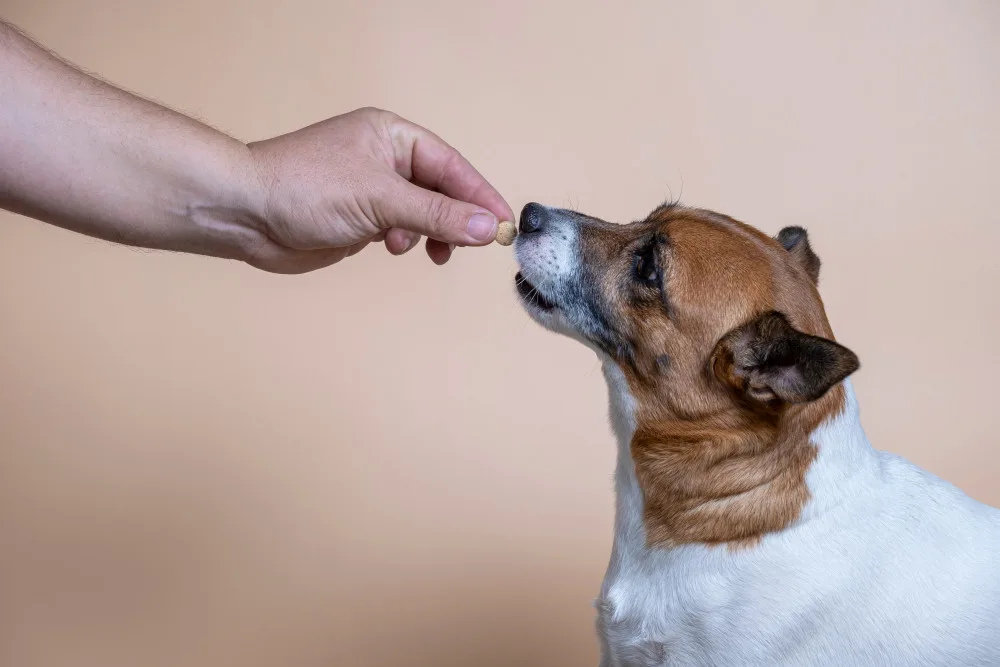
No matter how effective a medication is, it's useless if your cat refuses to take it. Fortunately for those of you that have ever been a part of pilling a cat, gabapentin comes in several different formulations.
Capsule that can be broken open and mixed with food
Tablet for the more adventurous cat parents that have figured out a proper pilling technique
Liquid so that you can administer the proper amount by a carefully measured syringe
Gabapentin can be given with or without food, but the nausea and vomiting side effects may be decreased by giving the medication with food.
*Never give your cat gabapentin or any other medication without a veterinary prescription. Your veterinarian should evaluate whether gabapentin is the proper medication for your cat’s condition as well as formulate the appropriate dosage and administration rate based on your cat’s weight and needs.
How Long Does Gabapentin Take to Work in Cats
Whether you’re giving gabapentin long-term for chronic pain or as needed for situational anxiety, knowing how long it takes to work is important. This allows you to time the administration so that your cat gets the best of its effects when they need it most. Here’s a general timeline of what most cats experience after taking gabapentin:
Time After Dose | What’s Happening | What You Might See |
0–1 hour | Medication starts absorbing | Little to no change yet |
1–2 hours | Early effects begin | Calmer behavior, less reactivity |
2–3 hours | Peak effect | Noticeable sedation, easier handling |
4–8 hours | Sustained effect | Relaxed, sleepy, less anxious |
8–12 hours | Effects taper off | Gradual return to normal behavior |
Onset: Cats can start feeling the effects of gabapentin as soon as one hour after administration.
If treating chronic pain in cats, it can take several days or even weeks to reach the full therapeutic effect.
Peak effect: It takes approximately 2-3 hours for gabapentin to reach its full effect. That means that gabapentin should be administered approximately 90-120 minutes prior to a veterinary appointment or other stressful event. When used for this purpose, it’s best to give to a cat that is already calm and then do your best to keep them calm while the medication takes effect.
Duration: The calmness and pain management effects of gabapentin last 8-12 hours.
Factors that affect duration: Gabapentin is metabolized in the liver and excreted through the kidneys, so effects will last longer in cats with kidney or liver disease.
Special Considerations for Gabapentin in Cats
Gabapentin may seem like it can do it all, but the truth is, it may not be the first choice for some cats. That’s why it’s important to never give your cat gabapentin unless prescribed by your veterinarian.
Cats with Kidney Disease
Chronic kidney failure in cats causes the kidney to lose efficiency at filtering the blood, maintaining fluid volumes, and producing red blood cells. Because gabapentin is excreted through the kidneys, this decreased filtering efficiency can cause the medication to stay in the body longer. Dosing frequency will need to be adjusted for this, or an alternate medication may be used instead.
Cats with Liver Disease
Cats with hepactic (liver) failure -acute should have gabapentin dosages adjusted or avoided, since the liver breaks down this drug, and liver failure reduces its ability to do so.
Senior cats
As cats age, organ efficiency, mainly kidney function, can decrease. Your veterinarian will need to evaluate whether gabapentin is the right choice for your older cat based on their blood work results and the availability of other medications.
Kittens
Gabapentin is generally considered safe in kittens, but it’s up to your veterinarian to determine if your kitten is a good candidate for this medication.
Pregnant or Nursing Cats
Gabapentin can cross the placenta and enter maternal milk, both routes that would allow it into the fetus or neonatal kitten. It has been shown at high doses to affect fetal development.
Cats on Multiple Medications
Gabapentin can interact with other medications your cat may be on. This doesn’t necessarily mean a cat can’t take gabapentin, just that adjustments may need to be made by your veterinarian. It can interact with products containing calcium (antacids), nervous system suppressants like CBD and phenobarbital, and opioid pain medications such as buprenorphine and tramadol.
Cats with Respiratory Conditions
Because gabapentin can cause sedation, cats with respiratory conditions may need additional monitoring. When a cat is sedated, their respiratory and heart rate may decrease, something that could be dangerous with certain unmanaged respiratory conditions.
Gabapentin Side Effects in Cats
Gabapentin is generally considered safe for healthy cats; however, it can still have some side effects. Sedation is the most common side effect, but at higher doses you may also see:
Lethargy
Incoordination
Drooling
Vomiting
Diarrhea
When to Call Your Vet
Sedation and even lethargy are to be expected when you give a central nervous system depressant like gabapentin. But if you’re giving gabapentin on a regular basis, it may be problematic. Consult your veterinarian if your cat is overly sedated with regular gabapentin administration, as adjusting the dose may help.
While some side effects are expected, others may signal that your cat needs veterinary attention. Here’s how to tell the difference:
What You’re Seeing | Is It Expected? | What to Do |
Mild sleepiness, relaxing more than usual | ✅ Yes | Monitor at home |
Wobbly walking or clumsiness | ✅ Common at higher doses | Keep your cat safe and monitor |
Decreased appetite for a short time | ⚠️ Sometimes | Monitor, offer food later |
Vomiting or diarrhea (mild, one-time) | ⚠️ Possible | Monitor closely |
Extreme lethargy or hard to wake | 🚨 No | Call your vet |
Disorientation or unusual behavior | 🚨 No | Call your vet |
Not eating or drinking for 24 hours | 🚨 No | Call your vet |
Trouble breathing or very slow breathing | 🚨 Emergency | Seek immediate care |
Also, consider a cat vet visit if your cat has any of the other listed side effects when taking gabapentin, especially if those effects are severe.
Treatment Costs
Gabapentin is an affordable option for treating chronic musculoskeletal pain or anxiety in cats with a 30-day supply costing between $12-$35. These costs can still add up if your cat is taking gabapentin for the long-term and if you’re regularly seeing your veterinarian to manage a chronic illness. Cat health insurance can help reimburse the costs associated with veterinary exams, diagnostics and medications associated with illnesses or injuries as long as they’re not a preexisting condition. Just make sure you include exam and prescription coverage when you build your plan, since they’re not automatically always part of the base policy.
For even more savings, consider adding an optional cat health wellness plan that helps you budget for the costs associated with preventative medications, vaccinations, and wellness exams.
Gabapentin for Cats
Gabapentin is a safe and effective medication commonly used for chronic musculoskeletal pain, situational anxiety, and seizures in cats. It works by inhibiting excitatory neurotransmitters in order to depress the central nervous system and block pain pathways. Gabapentin is available by prescription only, so never give your cat this or any other medication without guidance from your veterinarian.
FAQs
It's FDA-approved to treat anxiety, chronic pain, and seizures by inhibiting excitatory neurotransmitters to calm the nervous system.
Written by
Chyrle Bonk has been practicing veterinary medicine since 2010. Along with that, she fills her time writing veterinary content as a way to reach more pet owners than just those that come into the clinic. When not working, Dr. Bonk loves spending time with her family and critters somewhere outdoors.

Let’s get your pet covered
Call or click to get a quote