How to Know if Your Dog's Anal Glands Need Expressed?
Written by Shannon Byers
Updated Aug 14, 2026
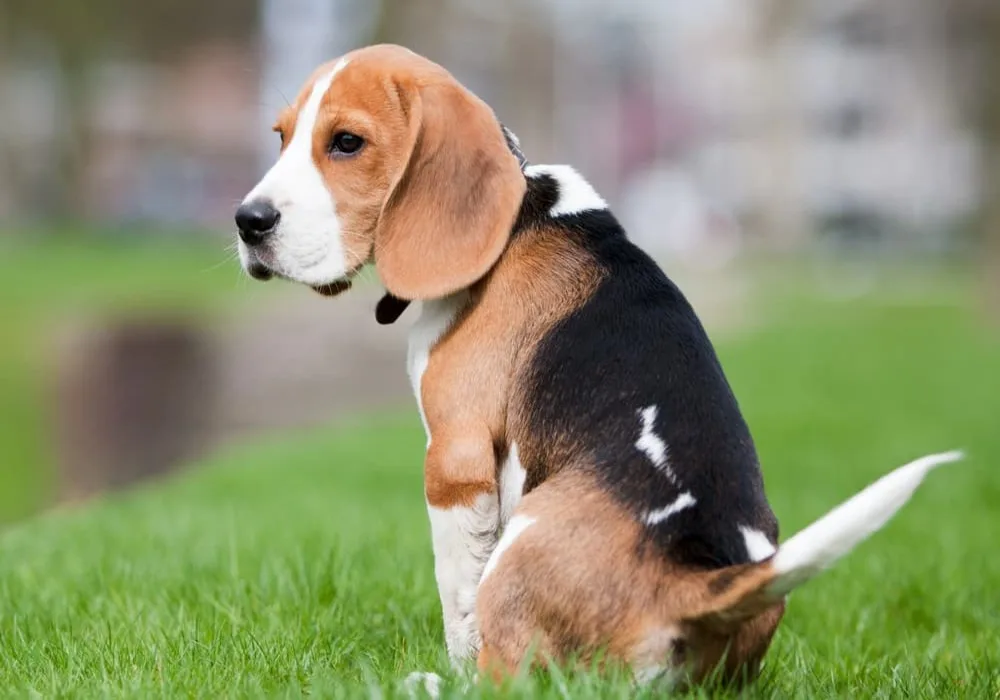
Expressing a Dog's Anal Glands
There are plenty of glamorous parts of being a dog parent. Anal glands are not one of them.
If you’ve ever caught your dog scooting their butt across the floor, suddenly become aware of a distinctly fishy smell, or found yourself wondering why on earth your dog is so interested in licking their rear end, you may have discovered one of the less delightful realities of dog ownership: anal gland problems.
So, how do you know if your dog’s anal glands need to be expressed? And, perhaps more importantly, when is it time to call someone else to deal with the situation?
What Are Dog Anal Glands?
Every dog has two small anal glands located on either side of the anus. Normally, they release a smelly fluid naturally when your dog poops, so you never have to think about them. But when those glands don’t empty properly, they can become uncomfortable, impacted, infected, or even rupture.
Anal Gland Expression in Dogs
Normally, these small sacs empty when a dog passes stool, and you never have to give them a second thought. However, if the glands don’t empty properly, they can become full, impacted, or uncomfortable.
Anal gland expression is manually emptying the sacs by applying gentle pressure to the glands so the built-up fluid is released through their natural openings.
How Often Do Dogs Need Their Anal Glands Expressed?
If your dog is doing their business normally and isn’t showing any signs of discomfort, there’s usually no reason to interfere with what nature already has under control.
Some dogs, however, have trouble emptying their glands on their own. How often they need help depends on why they’re having problems in the first place.
Dogs with Occasional Anal Gland Issues
Some dogs have trouble emptying their anal glands from time to time. Soft stools are a common culprit, since they may not put enough pressure on the glands to empty them. Changes in diet, diarrhea, or other digestive issues can also temporarily disrupt normal emptying.
Dogs with Chronic Anal Gland Problems
Dogs with recurring anal gland issues may need regular expression as part of their care. Your veterinarian can help determine how often your dog needs to be checked and whether an underlying issue, such as allergies, inflammatory bowel disease, or stool that’s too soft, is contributing to the problem.
How Do You Know If Your Dog’s Anal Glands Need to Be Expressed?
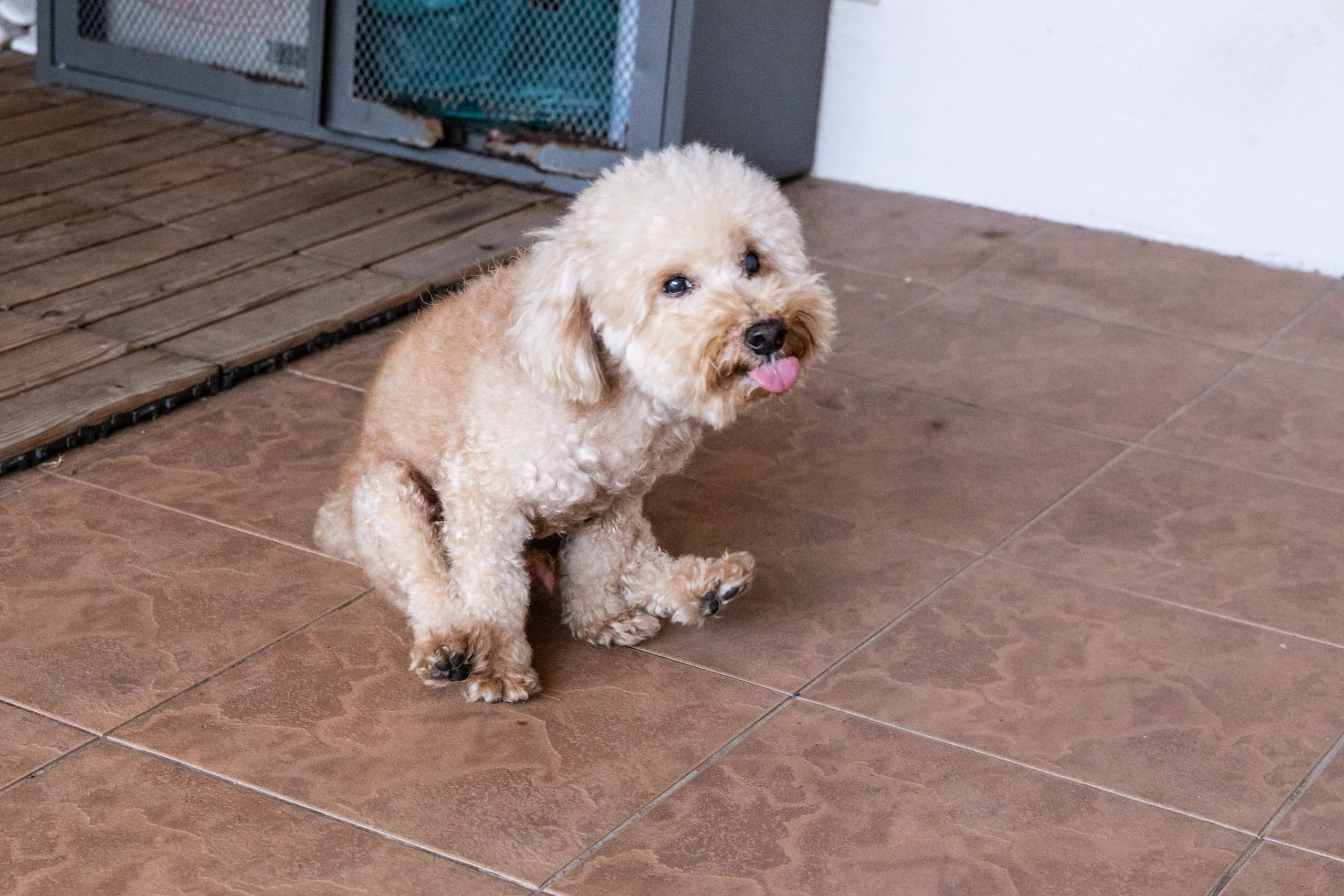
If your dog’s anal glands are doing their job, you probably won’t notice them at all. Unfortunately, when they aren’t, your dog may have a few creative ways of letting you know.
Scooting or Dragging Their Bottom
Scooting is probably the most recognizable sign that they may be trying to relieve the pressure or irritation caused by full or uncomfortable anal glands.
An occasional scoot isn’t cause for alarm. But if your dog is scooting frequently, especially along with other symptoms on this list, it’s worth having their anal glands checked.
Fishy or Foul Odor
If you suddenly notice a strong, fishy smell coming from your dog’s rear end, their anal glands may be the culprit.
Licking or Biting Around the Rear
If your dog is repeatedly licking, chewing, or biting around their anus, they may be trying to relieve irritation or pressure from their anal glands.
Swelling, Redness, or Discharge
Redness or swelling around the anus can indicate that an anal gland is irritated or impacted. You may also notice discharge, which can vary in appearance and may have a particularly unpleasant smell.
Straining or Pain While Pooping
An uncomfortable or impacted anal gland can make pooping painful. Your dog may strain, hesitate to poop, or otherwise seem uncomfortable while trying to go.
Can You Express Your Dog’s Anal Glands at Home?
Yes, it’s possible to express some dogs’ anal glands at home. But just because you can doesn’t necessarily mean you should.
When At-Home Expression May Be Okay
At-home expression may be reasonable for a dog who has a history of uncomplicated anal gland problems and when your veterinarian has shown you how to do it safely.
If you’ve never expressed anal glands before, it’s best to have a veterinarian or experienced groomer demonstrate the technique first. The glands are small, delicate, and not exactly located in a place where you want to experiment.
When to Use a Vet or Groomer Instead
Skip the DIY approach if you notice swelling, significant redness, blood, pus, or an open wound around the anus. These can be signs of impaction, infection, or an abscess that needs veterinary treatment rather than a little extra squeezing.
Do All Dogs Need Their Anal Glands Expressed?
No. Most dogs have this whole anal-gland situation nicely handled without any human intervention. Their glands normally empty when they poop, so if everything is working as it should, you can happily go about your day without giving them another thought.
Small Dogs and Anal Gland Problems
Small dogs seem to have more trouble with their anal glands than larger dogs. Their anatomy and smaller gland openings may make it harder for the sacs to empty completely.
Soft Stool, Diarrhea, or Low Fiber
Firm, well-formed stools put pressure on the anal glands as they pass, helping them empty naturally. When stools are consistently soft or your dog has frequent diarrhea, that pressure may not be enough.
Obesity or Excess Weight
Extra weight can make it harder for some dogs to empty their anal glands normally.
Allergies or Skin Inflammation
Allergies can cause inflammation and irritation around the skin, including the area around the anus. If your dog has recurring anal gland problems along with itchy skin, ears, or paws, talk with your veterinarian about dog allergies.
What Happens If Anal Glands Aren’t Expressed?
When anal sacs don’t empty normally, their secretions can build up and become thickened, leading to impaction. The resulting irritation and inflammation, known as anal sacculitis, can be painful and may sometimes progress to infection or an abscess.
Anal Gland Impaction
An impacted anal gland is too full to empty normally. Your dog may scoot, lick or bite at their rear, or seem uncomfortable sitting or pooping. Left untreated, an impaction can become infected or develop into an abscess.
Anal Gland Infection or Abscess
An impacted gland can become infected. The area may become swollen, red, and painful, and you may notice pus or bloody discharge. As the infection progresses, an abscess can form as pressure and infected material build up inside the gland.
Anal Gland Rupture
If an abscess continues to build pressure, it can eventually rupture through the skin beside the anus. This can leave an open, painful wound with blood or pus draining from it.
How to Help Prevent Anal Gland Issues
You can’t prevent every anal gland problem, but a few everyday habits may help reduce the chances of your dog developing recurring issues.
Add Fiber to Support Firm Stool
Firm, well-formed stool can help put enough pressure on the anal glands to encourage them to empty during a bowel movement. If your dog’s stool is consistently soft, talk with your veterinarian about whether adding fiber to their diet could help.
Maintain a Healthy Weight
Keeping your dog at a healthy weight may help reduce their risk of recurring anal gland problems. If your dog is overweight, your veterinarian can recommend an appropriate diet and weight-loss plan.
Treat Allergies or Digestive Issues
Underlying allergies or digestive problems may contribute to recurring anal gland issues. If your dog has ongoing itchy skin, soft stools, or frequent anal gland problems, talk with your veterinarian about whether an underlying condition could be contributing.
Monitor Stool Quality
Your dog’s poop can tell you a surprising amount about what’s going on with their digestive health. Pay attention to whether their stools are consistently firm and well formed.
When to Call the Vet About Dog Anal Glands
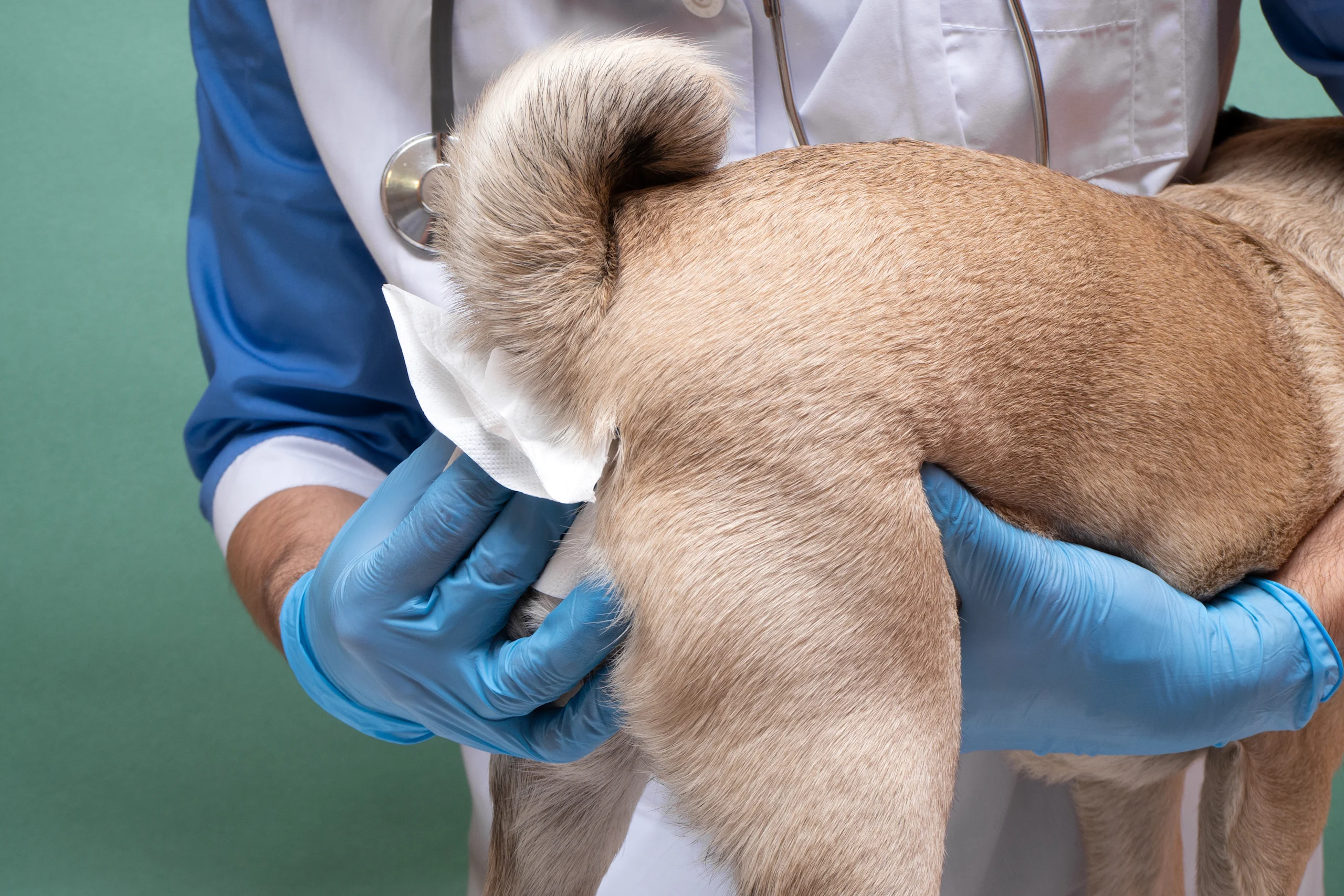
Some anal gland problems can be handled routinely by a groomer or veterinarian, but certain signs mean your dog needs veterinary care. Call your vet if you notice:
Significant swelling or redness around the anus
Blood, pus, or other discharge
An open wound near the anus
Obvious pain or discomfort
Straining or difficulty passing stool
Repeated anal gland problems that keep coming back
Symptoms that aren’t improving after the glands have been expressed
Can Pet Insurance Help with Anal Gland Issues?
Pet insurance can help cover eligible veterinary care when your dog has an anal gland problem, though how it can help depends on what the issue is and when it started.
Routine Anal Gland Expression and Wellness Coverage
If your dog simply needs their anal glands expressed, a routine expression typically costs around $25 to $50, although you may pay more if an exam is needed.
Routine Care Plans can help you budget for routine care, giving you a predictable monthly cost to put toward eligible expenses like routine anal gland expressions throughout the year.
Anal Gland Infections, Abscesses, and Medical Treatment
If an anal gland becomes infected or develops an abscess, the cost can climb quickly. Treatment may involve an exam, medications, flushing or draining the gland, and sometimes sedation. A straightforward abscess treatment can cost a few hundred dollars, while complicated or recurring cases can cost $1,000 or more.
If your dog develops an anal gland infection, abscess, or another covered medical condition, their veterinary treatment may be covered by Embrace’s accident and illness insurance.
FAQs
Scooting is the most recognizable sign, an attempt to relieve pressure or irritation, though an occasional scoot isn't cause for alarm.
Written by
Shannon Byers is an editor and writer with a passion for producing clear and informative content. She has written & edited a range of materials, from blog posts to marketing copy. In addition to a BA from Cambridge College, she has a particular affinity for grammar, punctuation, and style, and enjoys helping authors polish their writing to perfection.
Shannon is also a devoted dog mom herself. Her basset hound, Reginald Squish, is her constant companion and source of inspiration. (And yes, he does help her edit. He's very good at spotting typos.)

Let’s get your pet covered
Call or click to get a quote