How Long Do Dogs Live?
Written by Shannon Byers, Reviewed by Chyrle Bonk DVM
Updated Jul 9, 2026
Average Lifespan of Dogs
No matter how long we have them, it's never enough. One of the hardest parts of sharing your life with a dog is knowing you'll almost certainly outlive them. While we can’t control how long our dogs live, understanding what affects their lifespan can help us make the most of the years we have together. Most dogs live 10 to 13 years, though that number varies by size, breed, genetics, and health.
How Long Do Dogs Live on Average?
The average dog lifespan is 10 to 13 years, but that range varies widely because dogs are so diverse across breeds, from two-pound Chihuahuas to giant breeds that can top 150 pounds.
Large studies back this up. A 2022 analysis of UK veterinary records put life expectancy at birth at 11.23 years. A more recent study of 580,000+ dogs confirmed that breed, body size, and even face shape strongly predict how long a dog lives.
Dog Lifespan by Size
Size is the strongest predictor of how long a dog lives, and the pattern is the opposite of what you see elsewhere in nature. For most mammals, bigger species live longer. In dogs, smaller is longer-lived.
Dogs are different in many ways because humans selectively bred them for specific jobs and appearances. Over time, those breeding choices didn’t just shape traits like size, coat color, and face shape. They also influenced health and lifespan. Today’s breeds carry genetic strengths and weaknesses that reflect generations of selective breeding, which helps explain why a Chihuahua and a Great Dane can have dramatically different life expectancies.
Size | Typical Weight | Average Lifespan | Example Breeds |
Small | Under 22 lbs | 10 to 15 years | Chihuahua, Pomeranian, Yorkshire Terrier |
Medium | 22 to 55 lbs | 10 to 13 years | Cocker Spaniel, Australian Shepherd, Bulldog |
Large | 55 to 90 lbs | 10 to 12 years | Labrador, German Shepherd, Golden Retriever |
Giant | Over 90 lbs | 7 to 10 years | Great Dane, Mastiff, Bernese Mountain Dog |
Why Small Dogs Live Longer Than Big Dogs
Scientists are still not certain why small dogs outlive large ones. The leading theory is that large breeds grow from puppy to adult at an accelerated rate, which may raise the likelihood of abnormal cell growth and development, increasing the risk of cancer.
Cancer is the leading cause of death in large breeds. A giant breed like the Bernese Mountain Dog often lives only 7 to 10 years, while a small terrier can stay active into its mid-teens.
Average Lifespan of Popular Dog Breeds
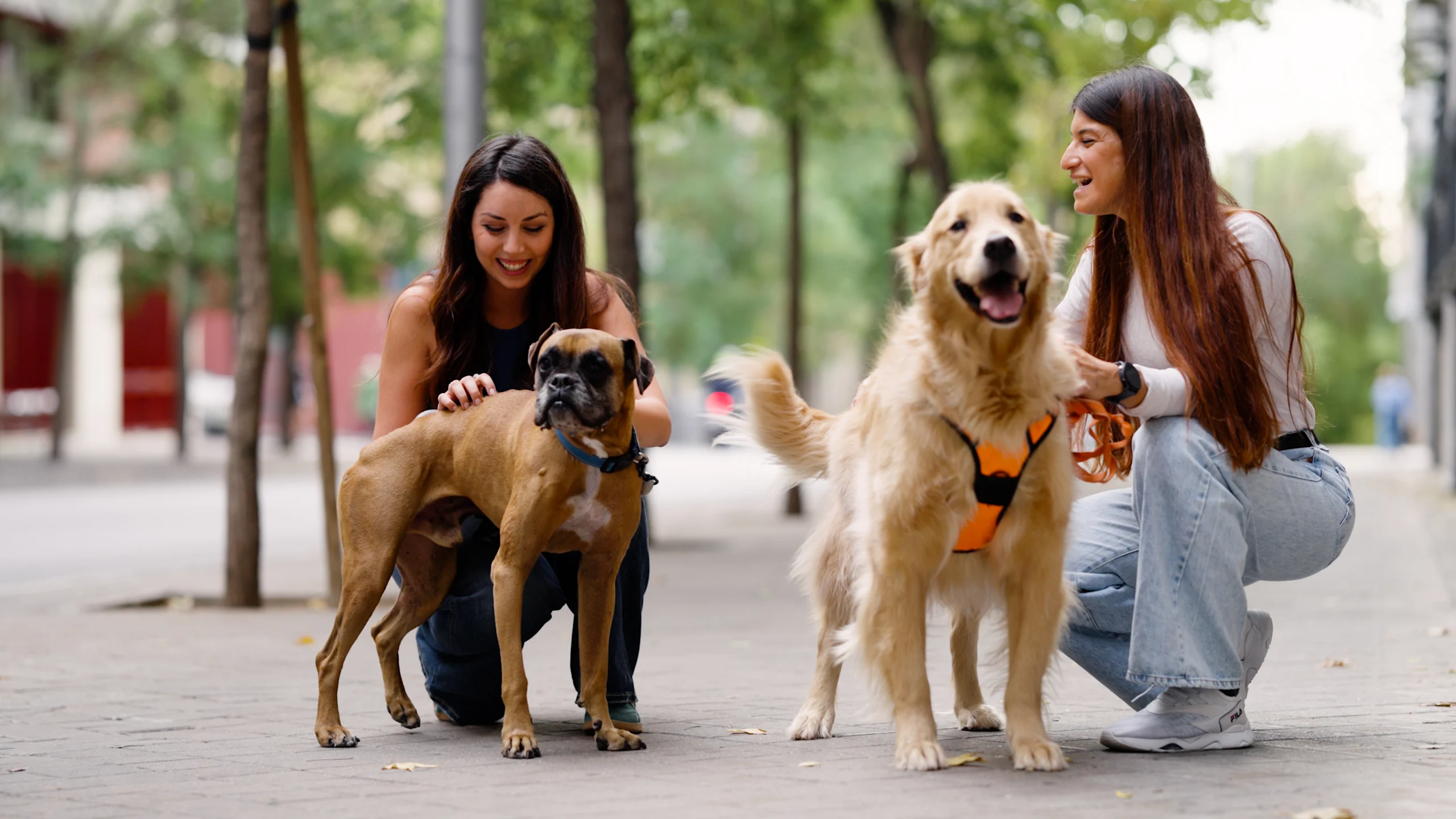
Within each size group, lifespan still varies by breed. The figures below reflect breed averages from the American Kennel Club, and individual dogs often live well beyond them with good care.
Breed | Size | Average Lifespan |
Small | 15 to 17 years | |
Pomeranian | Small | 14 to 16 years |
Yorkshire Terrier | Small | 12 to 15 years |
Cocker Spaniel | Medium | 13 to 15 years |
Poodle | Medium | 12 to 15 years |
Large | 10 to 12 years | |
Labrador Retriever | Large | 10 to 12 years |
Giant | 8 to 10 years | |
Bernese Mountain Dog | Giant | 7 to 10 years |
Looking for your dog’s breed? Browse our complete library of dog breed guides to learn about breed-specific health concerns, temperament, care needs, and life expectancy.
Why Flat-Faced Breeds Live Shorter Lives
Brachycephalic breeds are dogs with flat faces and short muzzles, such as Bulldogs, French Bulldogs, and Pugs. These breeds tend to live shorter lives than their size alone would predict. Flat-faced breeds have a median lifespan of 11.2 years and a 40 percent higher risk of early death than dogs with medium-length snouts.
In real-world data, English Bulldogs and French Bulldogs often live under 10 years. Their shortened airways, breathing trouble, and overheating risk all contribute to the gap.
What Affects How Long Your Dog Lives
Beyond size and breed, several factors shape your dog's life expectancy. Some you cannot change, but many you can.
Weight: This is the biggest factor in your control. According to the Association for Pet Obesity Prevention, nearly 60% of dogs in the U.S. are overweight or obese, and obese dogs live about 2 years less than dogs at a healthy weight. Extra weight strains joints and raises the risk of diabetes, arthritis, and heart and breathing problems.
Genetics: Some breeds inherit a higher risk of developing conditions like heart disease, hip dysplasia, or cancer.
Spay or neuter status: Altered dogs tend to live longer, partly because they avoid certain reproductive cancers and risky roaming behavior.
Dental health: Untreated dental disease can affect the heart, liver, and kidneys over time.
Preventive care: Dogs who see a vet regularly have problems caught earlier, when they are easier and cheaper to treat.
How to Help Your Dog Live Longer
You cannot change your dog's DNA, but the daily choices you make add up to real years. To give your dog the best shot at a long life:
Keep them at a healthy weight with measured meals and regular exercise.
Stay current on vaccines and parasite prevention for fleas, ticks, and heartworms.
Schedule annual checkups and ask about baseline blood work as your dog ages, so changes in liver and kidney values get caught early.
Brush their teeth and keep up with dental care.
Learn the conditions your dog's breed is prone to, and watch for early signs.
Helping your dog live a longer life also means planning for the care they’ll need along the way. Chronic conditions, senior diagnostics, and emergency costs can run into thousands. Dog insurance helps you make decisions based on your dog's needs rather than your budget, and it is worth understanding whether pet insurance is worth it before your dog reaches their senior years. Embrace also doesn't drop coverage due to your pet's age or health status.
Signs Your Dog Is Getting Older
Dogs reach their senior years at different ages depending on their size, which is one reason the old “one dog year equals seven human years” rule doesn’t hold up. That formula is outdated and oversimplified.
For a more accurate picture, you can convert your dog's age into human years using a size-based chart instead. Giant breeds may be seniors by 5 to 6 years, large breeds by 7 to 8, medium breeds by 8 to 9, and small breeds by 9 to 11.
Common signs of aging include a graying muzzle, slowing down on walks, stiffness when getting up, cloudy eyes, weight changes, and sleeping more. None of these mean your dog is at the end of their life. They are often just cues to adjust care, schedule more frequent vet visits, and make your home more comfortable.
How Long Do Dogs Live?
While most dogs live 10 to 13 years, there’s no way to predict exactly how long any individual dog will be by your side. Size, breed, genetics, and overall health all play a role, but many of the biggest influences, like maintaining a healthy weight, staying up to date on preventive care, and catching health problems early, are within your control.
No matter your dog’s breed or age, the goal isn’t just adding years to their life. It’s making every year as healthy, happy, and comfortable as possible. And while you can’t stop time, you can give your best friend the care they need to make the most of every moment together.
FAQs
Most dogs live 10 to 13 years, though small dogs often live 10 to 15 or more years while giant breeds typically live only 8 to 10 years.
Written by
Shannon Byers is an editor and writer with a passion for producing clear and informative content. She has written & edited a range of materials, from blog posts to marketing copy. In addition to a BA from Cambridge College, she has a particular affinity for grammar, punctuation, and style, and enjoys helping authors polish their writing to perfection.
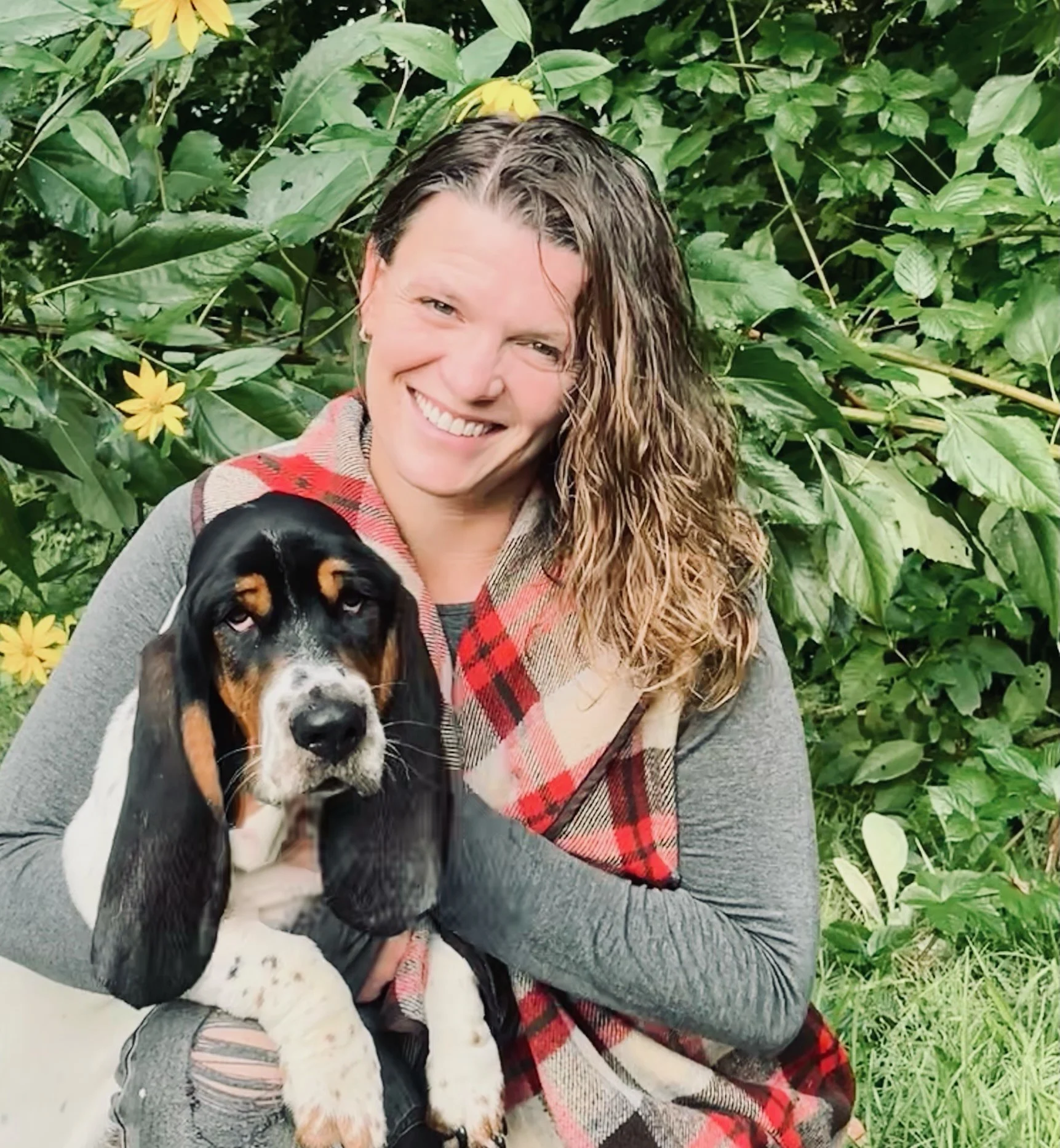
Shannon is also a devoted dog mom herself. Her basset hound, Reginald Squish, is her constant companion and source of inspiration. (And yes, he does help her edit. He's very good at spotting typos.)

Reviewed by
Chyrle Bonk has been practicing veterinary medicine since 2010. Along with that, she fills her time writing veterinary content as a way to reach more pet owners than just those that come into the clinic. When not working, Dr. Bonk loves spending time with her family and critters somewhere outdoors.

Let’s get your pet covered
Call or click to get a quote