Gabapentin for Dogs: Side Effects & Benefits of Gabapentin in Dogs
Written by Shannon Byers
Updated Aug 18, 2026
Gabapentin Side Effects in Dogs
Pain and discomfort are, unfortunately, part of life, even for your furry friend. If your dog is experiencing chronic pain, seizures, or anxiety, your veterinarian may prescribe gabapentin for dogs. Gabapentin has many potential benefits for dogs, but it’s important to understand how it works, its possible side effects, and how it’s typically prescribed before starting treatment.
What is Gabapentin for Dogs?
Gabapentin is an anticonvulsant and neuropathic pain medication—what a mouthful! Basically, gabapentin helps calm pain and seizures at the source.
Gabapentin changes the way calcium enters nerve cells, helping calm overactive nerve signals. Because of this, it’s commonly prescribed to help manage chronic pain, seizures, and anxiety in dogs.
What Does Gabapentin Do for Dogs?
Gabapentin works on the nerves, reducing overactivity that can lead to seizures as well as pain transmission.
Gabapentin for Dog Pain
Experiencing pain is a complex pathway, starting with the receptor nerves and ending with the perception of pain in the brain. This pathway requires numerous chemicals called neurotransmitters to pass the signal along, and it’s these neurotransmitters where gabapentin has its effect. It is different from other pain medications for dogs in that it doesn’t reduce inflammation like non-steroidal anti-inflammatories (NSAIDS) and it doesn’t block pain perception like opioids.
Instead, gabapentin reduces overactivity in the nervous system, decreasing the pain transmission. Because of this, it is highly effective on nerve pain stemming from injuries or infections to the nervous system or pain from chronic conditions like autoimmune diseases or diabetes.
Gabapentin takes time to affect these nerve pathways, so it isn’t ideal for sudden pain from a sprain or other injury.
Gabapentin for Seizures in Dogs
The nervous system is essentially an electrical circuit, transmitting electrical pulses that are perceived by the brain. Seizures disorders occur when these electrical pulses get out of control, overstimulating the nervous system and causing seizures.
Here’s where gabapentin comes in. By blocking certain chemical channels, it helps reduce the electrical activity back to a normal level, preventing seizures.
Again, gabapentin isn’t instantaneous, it won’t help if a dog is actively seizing. It’s meant to help prevent seizures in the first place, especially those that are refractory, or still occurring with other anticonvulsant medications.
Gabapentin for Dog Anxiety
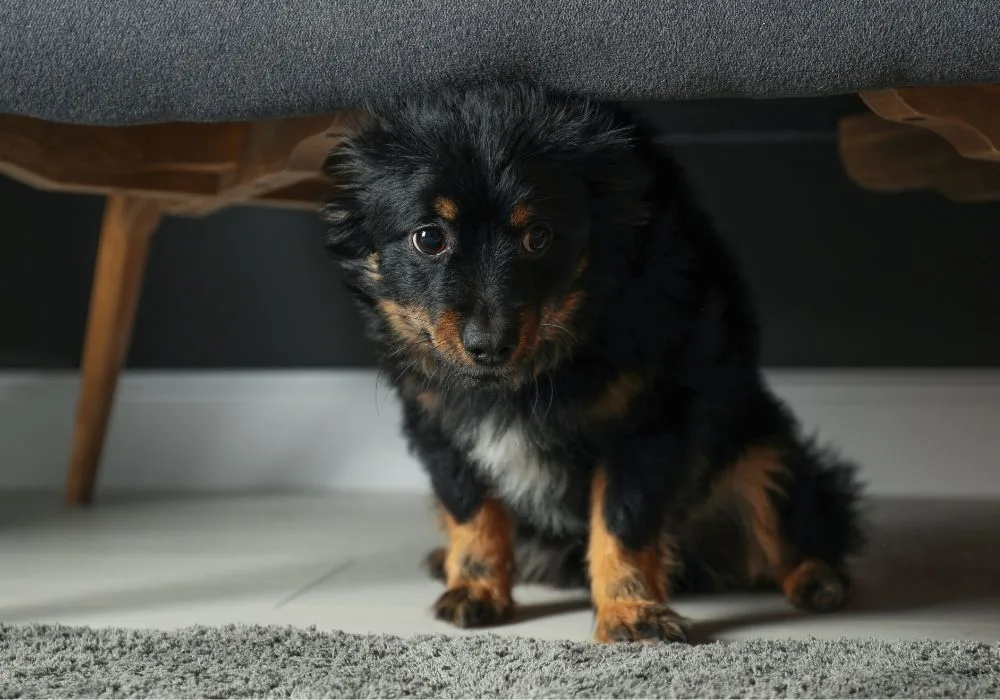
You may have noticed there’s a calming theme when talking about gabapentin. With its ability to reduce overactive nervous function, it also works similarly for anxiety in dogs. It’s an especially effective dog medication for anxiety related to noise phobias, such as fear of fireworks and thunderstorms.
Gabapentin Side Effects in Dogs
When you’re tamping down the nervous system with a medication like gabapentin, side effects are a possibility.
Common Side Effects of Gabapentin in Dogs
The most common issue seen with gabapentin is sedation. This can be decreased by starting at the lowest dose possible and gradually increasing until the desired effects are seen.
Ataxia, or incoordination, is also a possibility.
Serious Side Effects and When to Call Your Vet
As with any medication, it is possible, though unlikely, that a dog could be allergic to it. If you notice difficulty breathing, vomiting, diarrhea, or any other abnormality, contact your veterinarian.
It’s also important to not stop gabapentin abruptly as it can lead to an increase in seizures. Instead, gradually decrease your dog’s dose or frequency if you and your vet decide it’s not the right choice.
Gabapentin Dosage for Dogs
The dose for gabapentin is going to depend on what you’re trying to treat and what your dog weighs. In general, the dose for chronic pain is less per pound than the dose for seizures. Doses may range from 5-10mg/kg for pain, or 10-30 mg/kg for seizures and anxiety. Your veterinarian will prescribe the proper dose for your dog as well as outline for plan for increasing or decreasing the dose as necessary.
How Often Do Dogs Take Gabapentin?
Just like the dose per pound, the frequency of gabapentin for dogs will depend on what you’re trying to treat. For pain, it may only be needed once per day or up to three times daily. For seizures, it might need to be taken every eight to 12 hours. Anxiety may be as needed or on a regular basis every eight to 24 hours.
Whatever frequency your vet prescribes, just try to stick to as consistent of a schedule as you can. Gabapentin works best when it stays at consistent levels in a dog’s body.
How Long Does Gabapentin Take to Work in Dogs?
We’ve already talked about how gabapentin’s actions aren’t immediate. It takes time for the medication to be as effective as possible against seizures and chronic pain. Most dogs will see benefits within a few days, with maximum benefits occurring after a couple of weeks.
For noise phobias and situational anxiety, it’s recommended to give gabapentin one-two hours before the known stimulus. So, you’ll want to give it well before the thunderstorm rolls in or the fireworks start.
How to Give Gabapentin to Your Dog
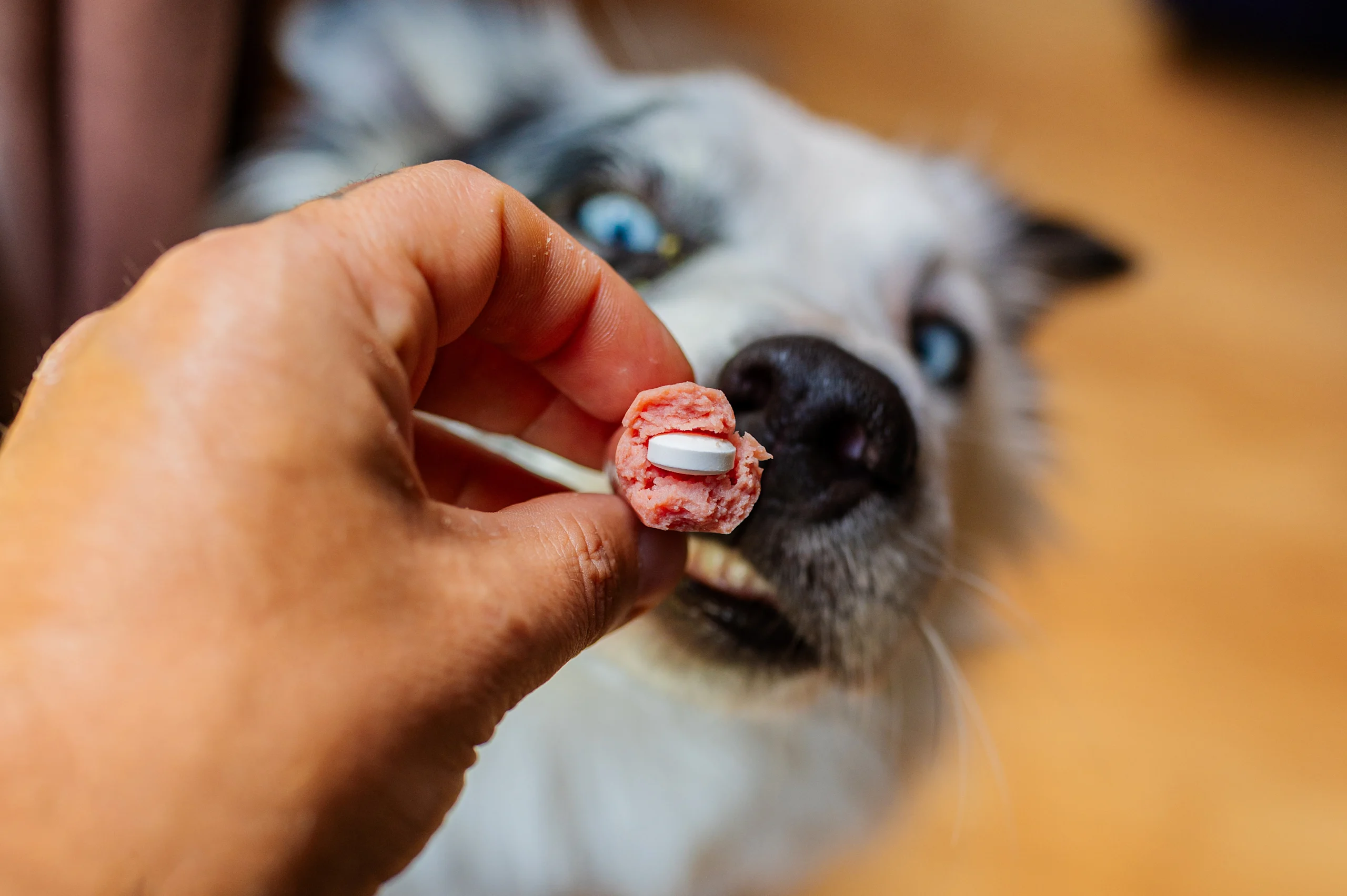
As with all veterinary prescriptions, it’s important to follow your veterinarian’s dosage and guidelines.
Can Gabapentin Be Given with Food?
Gabapentin can be given with or without food. It simply depends on your dog’s preference. Dogs with sensitive stomachs may have less trouble with nausea if it’s given with food, but be aware that food may slow the absorption rate which can have an effect how and when it works for situational anxiety.
For dogs that aren’t keen on taking pills, giving gabapentin stuffed in a treat is completely acceptable.
Gabapentin Forms
For your convenience, gabapentin comes in multiple forms.
Tablets: If the dose works out right, tablets can be given whole or broken in half.
Capsules: For tough to pill dogs, capsules can be broken open and mixed in with canned food or treats, making them nearly indistinguishable even to picky eaters.
Liquid: For a more precise dosing format, gabapentin can be compounded into a liquid that can either be mixed with food or put directly in your dog’s mouth.
More compounded versions: Flavored chews or transdermal gels can also be compounded for more accurate and easier-to-give options.
Combining Gabapentin with Other Drugs
Gabapentin for dogs doesn’t always play nice with other medications, so it’s important that your veterinarian is aware of all other prescription and over-the-counter medications as well as any supplements that your dog is taking to ensure that there won’t be any reactions.
Adjustments may be needed when taking gabapentin with antacids and opioids.
Gabapentin Drug Interactions and Safety Precautions
Gabapentin is often used as an add-on to other medications for pain, seizures, and anxiety. That means it works well with a wide range of other drugs, but dosages may need to be adjusted.
Gabapentin and Trazadone for Dogs: This is a common one-two punch for dogs with anxiety. Gabapentin provides the de-escalation of the nervous system and trazadone boosts mood by increasing serotonin.
Gabapentin and CBD for Dogs: CBD has been used in dogs to manage chronic pain and anxiety, similar to gabapentin. When used together, these two medications can increase lethargy and cause heavy sedation. They should not be used together unless recommended by a vet.
Gabapentin and Pain Medications: Another common combination is gabapentin with an NSAID to combat inflammation and pain. It can also be used in combination with opioids but the dose may need to be adjusted.
Dogs with Kidney and Liver Disease: Gabapentin is partially broken down in the liver and excreted through the kidneys. In dogs with either liver or kidney disease, gabapentin should be used with caution.
Signs of Gabapentin Overdose in Dogs
It’s very important to follow your veterinarian’s prescribing guidelines when using gabapentin in dogs. Overdosing can occur when the wrong dose is given or when a dog accidently consumes more than they should. According to the Plumb’s Veterinary Drug Handbook, signs of an overdose of gabapentin include:
Lethargy
Ataxia (incoordination)
Sedation
Vomiting
Bulging eyes
If you know or suspect a gabapentin overdose in your dog, contact your veterinarian as soon as possible.
Should I Use Gabapentin for My Dog?
Gabapentin is a medication with many benefits. It’s often used for chronic pain, seizures, or anxiety where other medications have failed to completely control the issue. That being said, using gabapentin in your dog is a decision that should be made with your veterinarian to ensure that it’s the right choice for your dog, taking into account the condition that needs treated, any concurrent health conditions, and your finances.
On the financial note, considering dog health insurance is an important part of sharing your life with a pet. A health insurance policy helps to cover the unexpected costs associated with an injury or illness, including anxiety, seizure disorders, and pain conditions. Does pet insurance cover medication? Pet insurance policies differ widely on this. At Embrace, the answer is yes—if you chose prescription coverage when you enrolled.
If your dog suffers from chronic pain, situational anxiety, or a seizure disorder that you can’t seem to get control of, talk to your vet about the potential for adding gabapentin.
FAQs
Gabapentin, first discovered in the 1970s, was FDA-approved as a human anticonvulsant in 1993, and it's now also used in veterinary medicine.
Written by
Shannon Byers is an editor and writer with a passion for producing clear and informative content. She has written & edited a range of materials, from blog posts to marketing copy. In addition to a BA from Cambridge College, she has a particular affinity for grammar, punctuation, and style, and enjoys helping authors polish their writing to perfection.
Shannon is also a devoted dog mom herself. Her basset hound, Reginald Squish, is her constant companion and source of inspiration. (And yes, he does help her edit. He's very good at spotting typos.)

Let’s get your pet covered
Call or click to get a quote